The Print-on-Demand Q4 Playbook: What to Design, Launch & Sell for Fall + Holiday 2026
If you sell online, the holiday season doesn’t begin in November.
It begins now.
For print-on-demand sellers, August and September are some of the most important months of the year. This is your opportunity to create collections, test new ideas, prepare your marketing and get your products in front of shoppers before the holiday rush begins.
And 2026 shoppers are giving merchants another reason to start early: the buying journey itself is getting longer. Customers are researching, comparing and discovering products across more places before deciding what makes the perfect gift.
The good news?
With print on demand, you don't have to predict exactly what will sell—or invest thousands of dollars in inventory, to prepare.
You can create. Test. Learn. And scale what works.
Here’s your month-by-month roadmap for making the most of Fall and Holiday 2026.
AUGUST: Build It
August is your creation month.
While your customers may still be thinking about sunshine and back-to-school shopping, you should be thinking pumpkins, cozy mornings, holiday parties and Christmas gifts.
This is the time to get ahead.
Start with Fall
If your Autumn collection isn't live yet, start there.
Think beyond simply putting pumpkins on products. Create around a feeling, customer or occasion.

Some ideas:
Cozy season
Book lovers
Football weekends
Pumpkin patch
Halloween
Spooky season
New homeowners
Hostess gifts
Teachers
Fall weddings
Thanksgiving
Friendsgiving
Now take one successful idea and imagine it across several products.
A cozy book-lover design might work beautifully on a sweatshirt, mug, candle, tote bag and blanket.
Suddenly, one design isn't one listing.
It's a collection.
Then Move Straight Into Christmas
Don't wait until November to start designing Christmas products.
Use August to begin creating and sampling your holiday assortment so you'll have time to make changes before shoppers arrive.
Consider building several small collections rather than one enormous generic Christmas assortment.
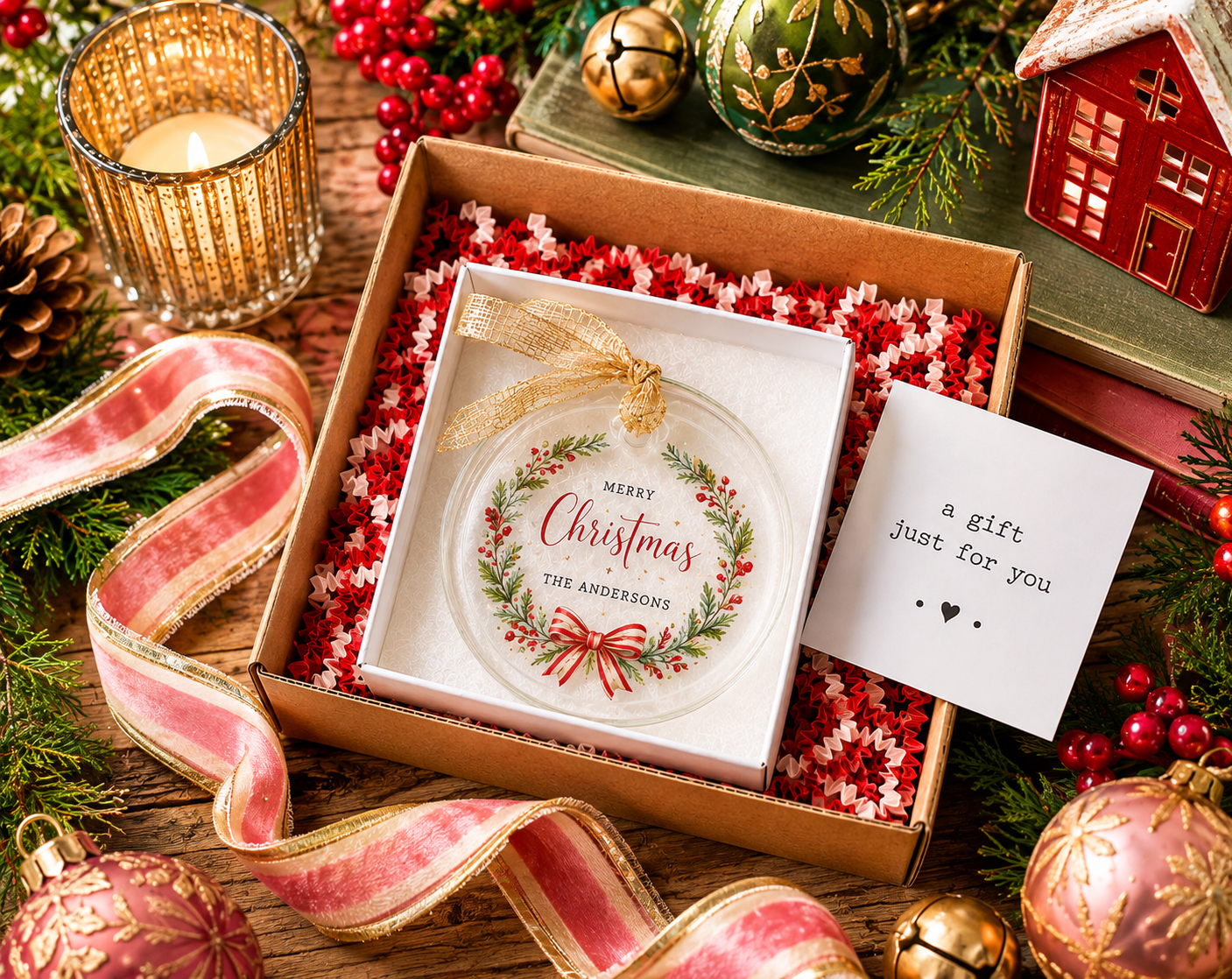
For example:
Cozy Christmas
Candles + mugs + sweatshirts + blankets + ornaments
Baby's First Christmas
Ornaments + baby blankets + keepsakes + apparel
Pet Christmas
Ornaments + mugs + sweatshirts + blankets
Holiday Hostess
Candles + mugs + tea towels + home gifts
Personalized Family Christmas
Ornaments + blankets + drinkware + keepsakes
A cohesive collection makes it easier for customers to shop—and gives you considerably more content to use throughout the season.
Your August Checklist
Finalize Fall and Halloween designs
Begin Christmas collections
Order samples of important products
Create lifestyle photography and mockups
Write product descriptions
Research keywords
Build holiday shop categories
Prepare Pinterest and social content
Start thinking about gift guides
Your goal: Enter September with products ready to sell—not ideas still sitting in Canva.
SEPTEMBER: Launch It
September is when your holiday strategy starts becoming visible.
Your Fall and Halloween collections should be live, and your first Christmas products should begin appearing in your shop.
Why so early?
Because customers don't necessarily purchase the first time they discover something.
They save it.
Pin it.
Favorite it.
Send it to someone.
Compare it with another product.
And come back later.
Giving your products more time in the market gives shoppers more opportunities to discover them before peak gifting season.
Don't Launch 100 Random Products
Instead, organize your shop around collections and customers.
Think:
Gifts for Book Lovers
Gifts for Teachers
Gifts for Dog Moms
Baby's First Christmas
Our Cozy Christmas Collection
Personalized Family Gifts
Gifts Under $30
This changes the question you're answering.
Instead of:
"Do you want this mug?"
you're answering:
"What should I buy my sister who loves books?"
That is a much more powerful way to merchandise a product.
Make Personalization Easy
Personalized products can transform an ordinary item into something that feels specifically chosen for the recipient.
Consider offering:
Names
Initials
Family names
Dates
Pet names
Photos
Locations
Special sayings
But don't make personalization complicated just because you can.
Customers should immediately understand:
What can I personalize?
Where will it appear?
What will the finished product look like?
Simple wins.
OCTOBER: Market It
By October, you should be spending less time building your holiday shop and more time getting people into it.
This is your discovery month.
Instead of posting:
"New mug available!"
give customers a reason to imagine buying it.
Try:
The cutest gift for your book-loving bestie.
A personalized ornament Grandma will actually keep forever.
Five cozy gifts under $30.
The hostess gift you'll want to keep for yourself.
You're no longer marketing merchandise.
You're helping someone solve the annual holiday question:
"What do I get them?"
Create Gift Guides
Gift guides are one of the easiest ways to turn a large catalog into something shoppers can understand.
Try creating:
Gifts Under $25
Gifts Under $50
Gifts for Mom
Gifts for Grandma
Gifts for Teachers
Gifts for Coworkers
Gifts for Newlyweds
Gifts for New Homeowners
Gifts for Pet Lovers
Gifts for Book Lovers
Personalized Gifts
Cozy Gifts
Stocking Stuffers
Hostess Gifts
The same product can appear in multiple gift guides.
A personalized mug might be a teacher gift, Grandma gift, coworker gift and gift under $25.
That's four marketing opportunities from one product.
Think Mobile First
Your customers are increasingly discovering and purchasing products from their phones.
Look at your shop from a customer's phone—not your desktop computer.
Can you immediately tell what you're selling?
Are your product photos easy to understand?
Can you read the personalization instructions?
Is the most important information buried in the description?
Can someone confidently purchase without hunting for answers?
During holiday shopping, convenience matters.
Make buying easy.
NOVEMBER: Stop Guessing and Follow the Data
November is not the month to panic and create 75 more Christmas designs.
It's the month to figure out what's already working.
Look at your:
Views
Favorites
Clicks
Add-to-carts
Conversions
Revenue
What are shoppers responding to?
Then do more of that.
Turn Winning Designs Into Collections
Suppose one of your personalized Christmas mugs suddenly starts selling.
Don't automatically go create ten unrelated mug designs.
Ask:
Where else could this design work?
Maybe it becomes:
An ornament
A sweatshirt
A tote
A candle
A blanket
One winning concept can become five additional products without requiring you to reinvent your brand.
That's one of the biggest advantages of print on demand.
You can respond to demand instead of trying to perfectly predict it.
Prepare for Cyber Week
Black Friday and Cyber Monday remain enormous online shopping events, but customers don't magically appear that weekend.
By November, your store should already have:
Strong product photography
Clear pricing
Holiday collections
Gift guides
Mobile-friendly listings
Email campaigns prepared
Social content ready
Promotional messaging planned
Clear shipping information
Your job during peak season should be executing—not scrambling.
DECEMBER: Protect the Customer Experience
December changes the game.
Customers aren't only asking:
"Do I like this?"
They're asking:
"Will this arrive in time?"
Make production and shipping information easy to find.
Communicate clearly.
Update your website banners.
Update estimated delivery information.
Avoid promising arrival dates you can't guarantee.
And as shipping deadlines approach, adjust your marketing accordingly.
Great customer communication can be just as important as a great design during peak holiday season.
Don't Forget the Unboxing Experience
A gift isn't only the product inside the package.
It's the experience of receiving it.
Thoughtful branded packaging, gift messages and inserts can help small businesses create the kind of experience customers remember—and share.
That's especially valuable during the holidays when many orders are being sent directly to recipients.
What Should You Sell for Holiday 2026?
There isn't one magical POD product that every merchant should sell.
Instead, think about why someone is buying it.
1. Personalized Keepsakes
Holiday shoppers love gifts that commemorate people, places and milestones.
Think:
First Christmas
New baby
New home
Newlywed
Family names
Pet names
Memorial gifts
Dates and locations
Products such as ornaments and other keepsakes naturally fit these moments.
2. Cozy Gifts
Holiday gifting and cozy products are natural partners.
Think:
Blankets
Sweatshirts
Candles
Mugs
Home accessories
Better yet, combine them into a cohesive collection.
3. Small, Easy-to-Gift Products
Not every holiday purchase is a major gift.
Customers also need:
Teacher gifts
Coworker gifts
Hostess gifts
Secret Santa gifts
Stocking stuffers
Friend gifts
Lower-priced products can fill an important role in your holiday assortment.
4. Home Gifts
The holidays are centered around home, making décor and useful home products particularly giftable.
Consider products customers can enjoy beyond December rather than creating an entire assortment that becomes irrelevant December 26.
5. Niche Gifts
This is where small merchants can shine.
You don't need to compete for everyone searching:
Christmas Gift
You can create something wonderful for the person searching:
Christmas gift for a romance reader who owns three cats.
Specific can be powerful.
Think about the communities you already understand.
Teachers.
Nurses.
Book lovers.
Dog moms.
Newlyweds.
Grandparents.
Golfers.
Gardeners.
New homeowners.
Small-business owners.
New parents.
The more clearly your customer can say "That's so them!", the closer you've moved toward creating a gift worth buying.
One Design Doesn't Have to Mean One Product
This may be one of the most valuable mindset shifts for a print-on-demand seller.
You don't constantly need more designs.
You need to get more value from your best designs.
If you've created something your customers love, expand it.
One Design
↓
Mug
↓
Sweatshirt
↓
Candle
↓
Tote
↓
Blanket
↓
Ornament
Now your customer can choose the product—and price point—that works for them.
It also gives your shop something larger brands often struggle to create:
A recognizable point of view.
Build for the Customer, Not Just the Trend
Trends can help customers discover you.
But trends alone don't build memorable brands.
Before adding a product to your holiday collection, ask:
Who is this for?
Why would they buy it?
Who would they give it to?
What makes my version different?
If you can't answer those questions, another trending Christmas design probably isn't what your shop needs.
Create products that feel like they belong to your brand and speak directly to the customers you want to attract.
Your 2026 Holiday POD Timeline
AUGUST
CREATE
Build Fall, Halloween and Christmas collections. Order samples. Create photography. Prepare listings.
SEPTEMBER
LAUNCH
Get products live. Optimize listings. Introduce Christmas. Begin building holiday discovery.
OCTOBER
MARKET
Publish gift guides. Create social and Pinterest content. Grow email marketing. Start telling customers who each product is for.
NOVEMBER
SCALE
Watch your data. Identify winners. Expand successful designs across additional products. Execute Cyber Week campaigns.
DECEMBER
COMMUNICATE
Keep production and shipping expectations clear. Focus on customer experience. Begin transitioning your marketing beyond Christmas.
And Then Comes January...
One of the biggest mistakes merchants make is treating December 25 like the finish line.
It's not.
It's a transition.
As Christmas products wind down, customers begin thinking about:
New Year
Organization
Wellness
Winter
Valentine's Day
Weddings
Spring
Mother's Day
Some of your holiday bestsellers may even transition with you.
A bestselling Christmas candle design might inspire a Valentine's collection.
A personalized family ornament concept might become a wedding keepsake.
A cozy winter sweatshirt can continue selling long after the Christmas tree comes down.
The goal isn't simply to have a successful holiday season.
It's to use what you learn during Q4 to build a stronger business for 2027.
Start Now. Test Often. Scale What Works.
You don't need a warehouse full of holiday inventory to build an exciting seasonal collection.
That's the beauty of print on demand.
You can experiment with new ideas, expand into new product categories and create for specific audiences without committing to large quantities upfront.
So if you're wondering whether August is too early to start thinking about Christmas...
It isn't.
Your customers may not be ready to decorate yet.
But your business should be ready when they are.
Start creating your Fall + Holiday collection with Printed Mint →

 and then Add to Home Screen.
